FEATURES
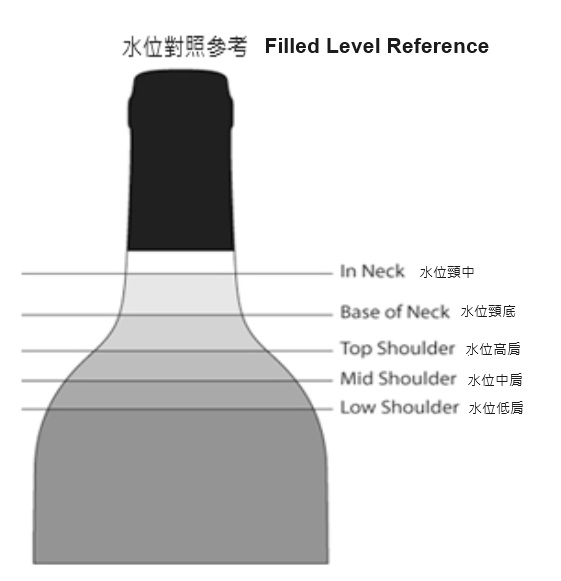
🏰 The 1961 vintage in Bordeaux is legendary, considered one of the greatest of the 20th century, producing wines of immense concentration, structure, and longevity. Château Talbot, a Fourth Growth estate in Saint-Julien, would have crafted an exceptional wine in this fabled year. At over six decades old, this wine embodies the classic old-world Bordeaux style, offering a profound and complex aromatic profile. Expect notes of dried fruits, cedar, tobacco, forest floor, and perhaps a hint of truffle, with a palate that, if well-preserved, would be remarkably smooth, elegant, and still possess a surprising freshness and length. The '-5cm' in the name likely refers to the ullage level, which is a common indicator for older bottles and suggests a well-maintained fill for its age. This wine is a testament to the enduring power and grace of truly great Bordeaux. 【Legendary vintage from a historic Saint-Julien estate】
Serving Advice: This is a very old and potentially fragile wine. Stand the bottle upright for at least a week, preferably longer, to allow all sediment to settle. Decanting should be done with extreme care, just before serving, to separate the wine from any sediment. Use a fine mesh filter if necessary. Avoid aggressive decanting or aeration, as too much oxygen can cause the wine to fade quickly. Serve at a slightly cool cellar temperature (around 16-17°C or 60-63°F). Be prepared for a potentially fragile cork; a two-pronged Ah-So opener or a Durand corkscrew is highly recommended to minimize the risk of breakage. The capsule might also be delicate.
🍴 This venerable Bordeaux would be an extraordinary pairing for classic, refined dishes such as roasted venison with a rich reduction, slow-braised oxtail, or a perfectly aged prime rib. It also complements mature, hard cheeses like aged Comté.
🥂 This is a wine for a truly momentous occasion, a once-in-a-lifetime celebration, or a deeply contemplative tasting among serious collectors. It's an experience to be savored, reflecting a bygone era of winemaking.