Welcome!Thank you for visiting! We look forward to seeing you.Welcome!Email is used by othersPlease enter user emailpassword reset link is sent to your email , the link will be expired in 30 mins
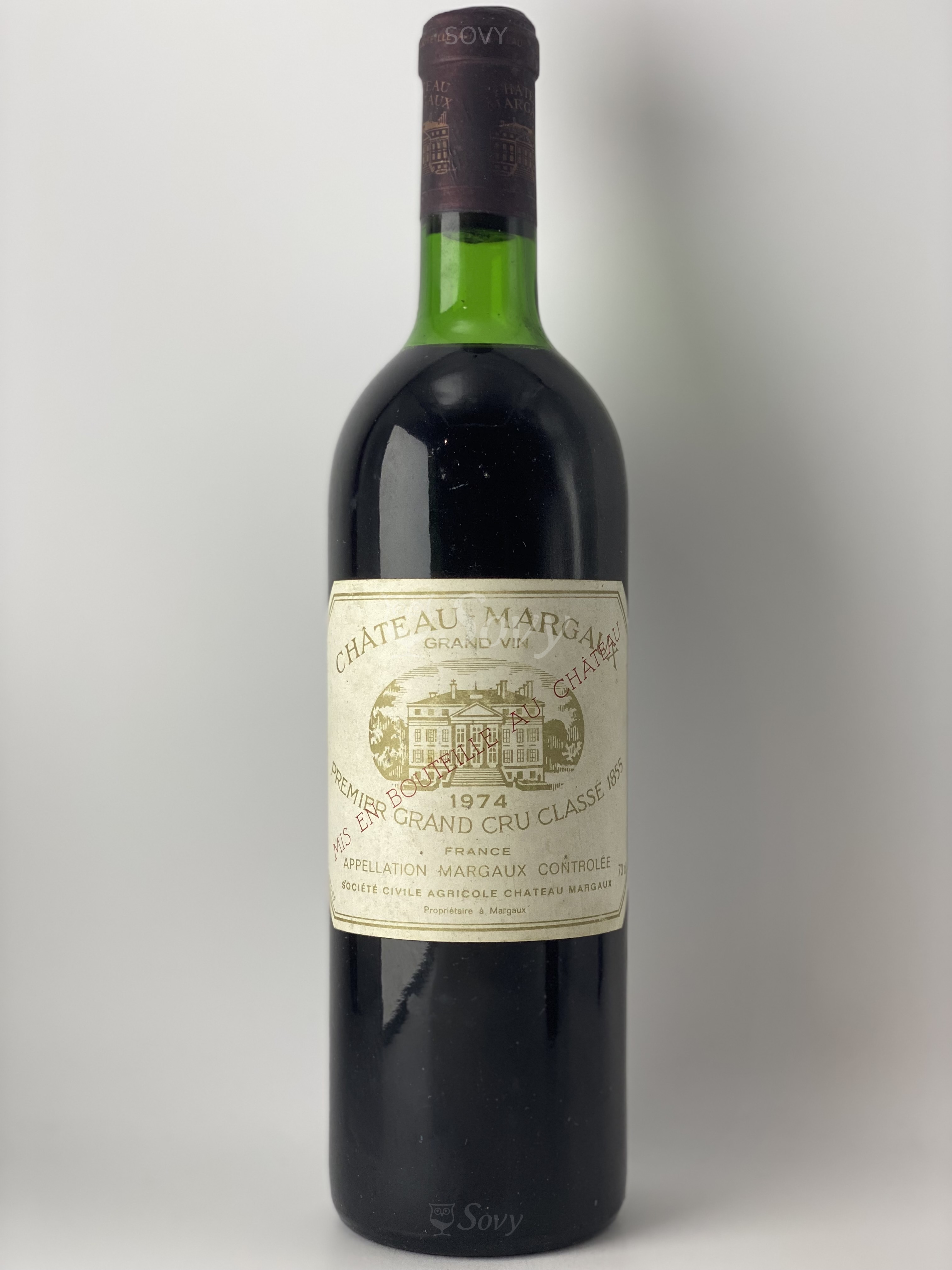
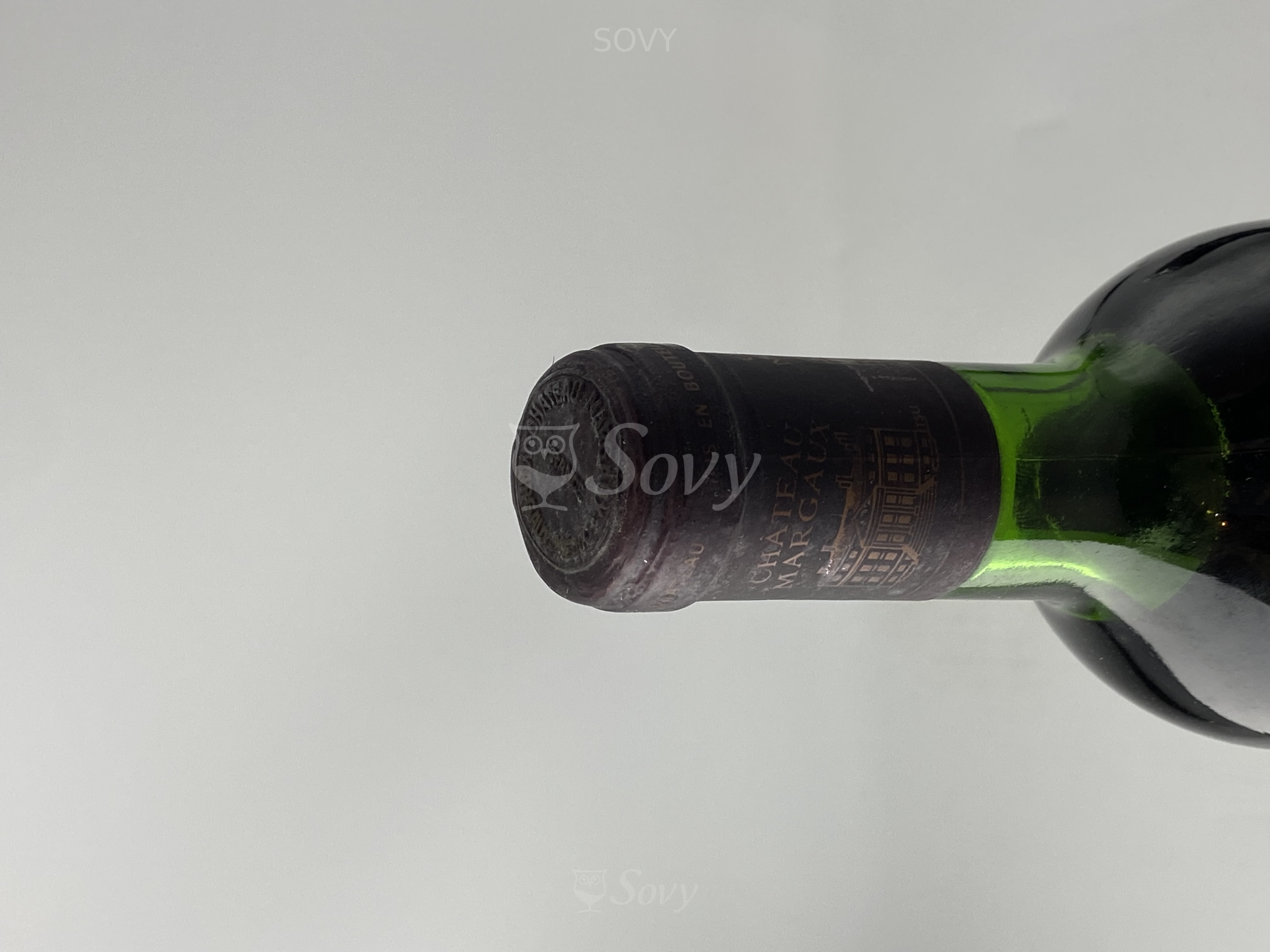
🏰 The 1974 Chateau Margaux is a rare historical bottle from a Bordeaux vintage widely considered 【one of the most challenging of the decade】, marked by heavy September rains that led to diluted wines. Despite the vintage's difficulties, Château Margaux, as a First Growth, often transcends the limitations of a challenging year, offering a glimpse into its enduring elegance. Expect an evolved ruby color with light fading. The nose, though shy, may reveal hints of floral, earth, and dried figs, with black fruits, dried fruits, and violet on the palate. While it may lack the concentration of great vintages, it can still be drinkable, held together by a good acidic backbone. This wine offers a unique opportunity to taste a piece of Bordeaux history.
🍴 This venerable Bordeaux, with its delicate and evolved profile, would pair beautifully with classic French dishes like roasted lamb with herbs, truffle-infused dishes, or a simple pan-seared duck breast. For a more adventurous pairing, consider a refined Cantonese braised abalone or a delicate Taiwanese beef noodle soup.
🥂 A truly special bottle for a significant anniversary, a historical wine tasting, or a contemplative evening for a seasoned collector.
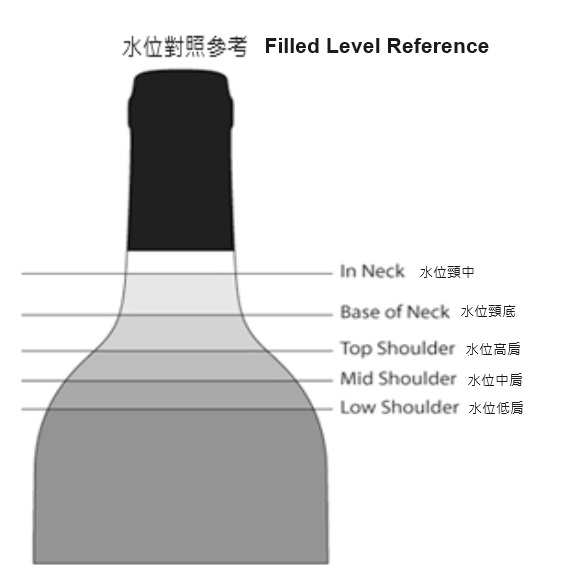
Serving suggestion: For a wine of this age, extreme care is advised. Stand the bottle upright for at least a week to allow all sediment to settle. Use a Durand or an Ah-So corkscrew to minimize the risk of cork breakage. Decant gently and slowly, watching carefully for sediment, only if necessary to remove it, and serve immediately to preserve its delicate, aged aromas and flavors. Be prepared for potential variations in bottle condition due to its age.
how to store at home
How should I store this 1974 Chateau Margaux at home?
Store in a cool, dark place with a constant temperature of 12-14°C and 70% humidity. Keep the bottle lying on its side to keep the cork moist.
 Last One