Welcome!Thank you for visiting! We look forward to seeing you.Welcome!Email is used by othersPlease enter user emailpassword reset link is sent to your email , the link will be expired in 30 mins
🏰The 1975 Chateau d'Yquem is a 【monumental effort and one of the greatest successes of its decade】, still showing no signs of weakening at over 40 years old. This deep gold Sauternes offers pungent aromatics of apricots, oranges, flowers, roasted pineapples, caramel, and grilled nuts, all drenched in Acacia honey. The palate is laden with bright, vibrant stone fruit and preserved citrus flavors, laced with honey-nut accents, and finishes provocatively earthy. It's awesomely concentrated with perfect balance and exceptionally crisp acidity, making it a truly flawless and astonishingly powerful wine.
🍴 This exquisite sweet wine is the ultimate pairing for foie gras, blue cheeses like Roquefort, or fruit tarts and crème brûlée. It can also be a sublime digestif on its own, offering a luxurious end to any meal.
🥂 An unparalleled choice for a landmark anniversary, a significant birthday, or any occasion demanding the absolute pinnacle of sweet wine. It's a wine that stops you in your tracks and makes everything else pale in comparison.
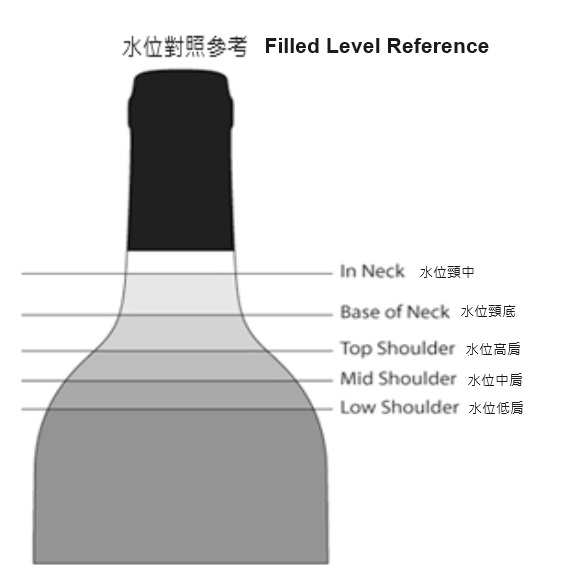
For a wine of this venerable age, expect the cork to be fragile and the capsule potentially brittle. Decanting is highly recommended to separate any sediment and allow the wine to breathe, revealing its full complexity. Serve slightly chilled, but not too cold, to best appreciate its intricate aromas and flavors. Handle with care and savor every drop of this historical vintage.
BACKGROUND
Chateau d'Yquem is a property in the Sauternes district of Bordeaux, making what is arguably the world's most famous dessert wine.The Yquem vineyard is planted to around 75 percent Semillon and 25 percent Sauvignon Blanc. A team of around 150 expert pickers are used each vintage and make multiple passes through the vineyard to ensure that only fully botrytized fruit is harvested. Yields are very low â about 900 liters per hectare, or around one glass per vine.